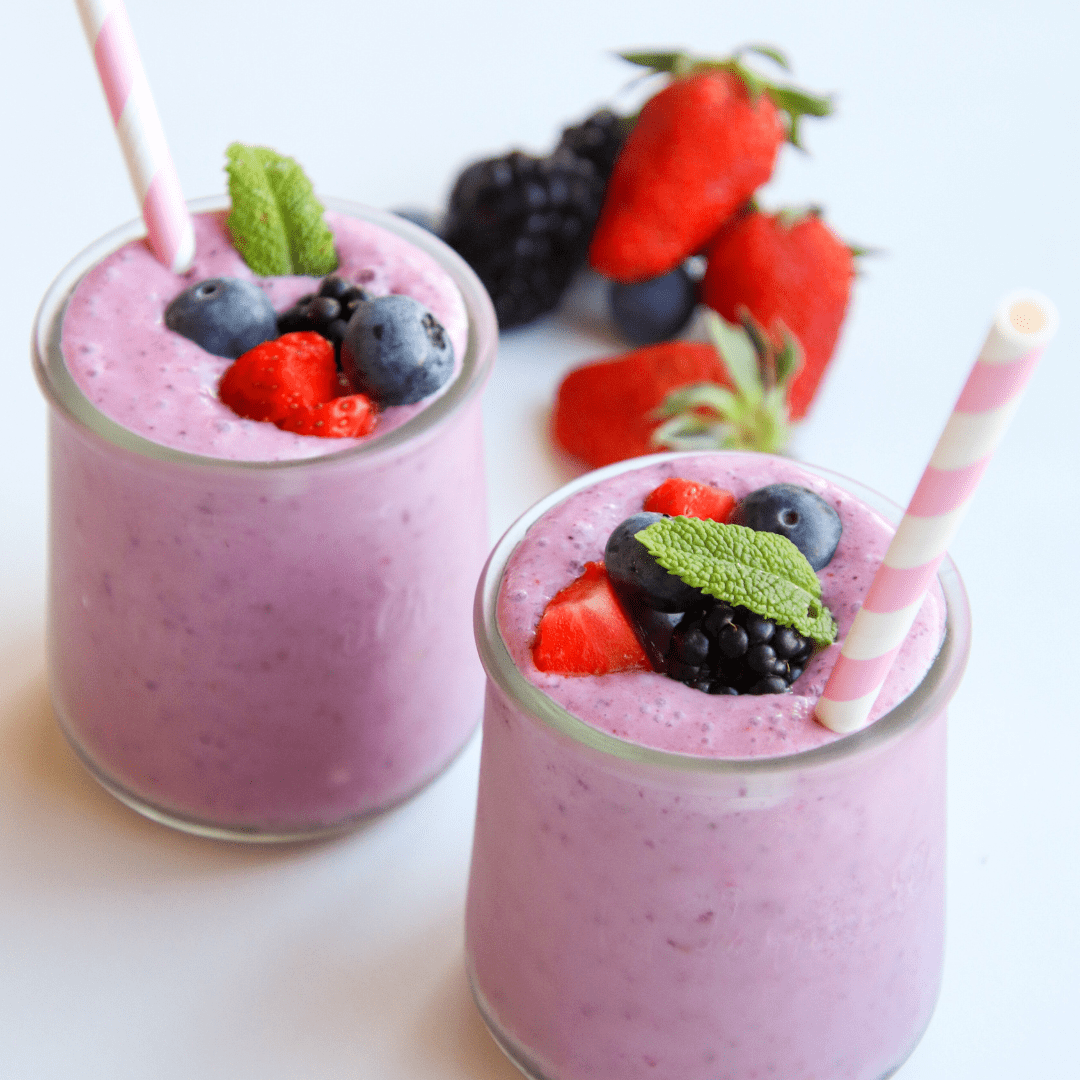
Unlock the Power of Smoothies for Your Little Ones: A Guide to Boosting Nutrition
Feeding babies and toddlers can often feel like a culinary challenge, especially when faced with picky eaters or ensuring they receive all the essential nutrients for their rapid growth and development. Enter the humble smoothie – a versatile, delicious, and incredibly effective tool for delivering a concentrated dose of vitamins, minerals, fiber, and healthy fats. Far more than just a sweet treat, well-crafted
smoothies for babies toddlers can become a cornerstone of a healthy diet, helping parents navigate dietary hurdles and nurture robust health from an early age. This article will delve into essential tips for incorporating nutrient-packed smoothies into your child’s routine, transforming mealtime into an exciting and nutritious adventure.
Why Smoothies Are a Smart Choice for Little Ones
Smoothies offer a myriad of benefits that make them an indispensable part of a young child's diet. Their liquid or semi-liquid form makes them incredibly easy for babies transitioning to solids or toddlers with varying appetites to consume, often bypassing texture aversions that can make whole fruits and vegetables challenging. For parents concerned about weight gain in younger infants, nutrient-dense options can be a valuable tool; in fact, public health resources often highlight the role of fortified smoothies in healthy weight development. For a deeper dive into this aspect, consider exploring resources like
Smoothies for Babies: A Public Health Guide to Healthy Weight Gain.
Beyond ease of consumption, smoothies are champions of nutrient density. You can combine multiple food groups – fruits, vegetables, healthy fats, and proteins – into a single serving. This makes them ideal for "hiding" vegetables that your child might otherwise refuse, ensuring they get vital phytonutrients. They also contribute significantly to hydration, especially if using water, breast milk, or unsweetened plant-based milks as a base. For busy parents, smoothies are a time-saving solution, quick to prepare, and often portable, making them perfect for on-the-go nutrition.
Essential Ingredients for Nutritious Smoothies for Babies & Toddlers
The magic of a great smoothie lies in its ingredients. Opting for whole, unprocessed foods is key to maximizing nutritional value and avoiding hidden sugars or artificial additives.
Fruits: Nature's Sweetness and Fiber
Fruits form the delicious base of most smoothies.
- Berries (strawberries, blueberries, raspberries): Packed with antioxidants and vitamins, frozen berries also help create a thick, cold texture.
- Banana: Adds natural sweetness, creaminess, and potassium. Great for energy.
- Mango & Pineapple: Rich in Vitamin C and add a tropical flair. Use fresh or frozen.
- Avocado: A fantastic source of healthy monounsaturated fats crucial for brain development. It also adds incredible creaminess without an overpowering taste.
- Pears & Apples: Cooked and cooled first for younger babies, they provide fiber and gentle sweetness.
Vegetables: Sneaky Nutrients for Growing Bodies
This is where you can truly boost the nutrient profile. Start with milder greens and gradually introduce more.
- Spinach & Kale: Mild-tasting, especially when combined with sweet fruits. Rich in iron, calcium, and vitamins A, C, and K. Start with small amounts to avoid bitterness.
- Cooked Sweet Potato or Carrots: Add natural sweetness, fiber, and a huge dose of Vitamin A. Cook them until very soft before blending.
- Zucchini (raw or lightly steamed): Surprisingly neutral in flavor, it adds volume, fiber, and extra hydration. Peel if you wish to avoid any green flecks.
- Cauliflower (steamed): Like zucchini, it’s quite neutral and adds creaminess and fiber.
Healthy Fats & Proteins: Building Blocks for Development
These are vital for satiety, brain development, and sustained energy.
- Full-Fat Yogurt (plain): Provides protein, calcium, and probiotics for gut health. Full-fat is crucial for babies and toddlers for energy and nutrient absorption.
- Nut Butters (smooth, unsweetened): Peanut, almond, or cashew butter are excellent sources of protein and healthy fats. Ensure they are smooth and introduced cautiously, especially if there are allergy concerns. Always check for whole nut warnings for very young children.
- Seeds (chia, flax, hemp): Tiny powerhouses of omega-3 fatty acids, fiber, and protein. Blend them thoroughly for smooth consistency.
- Silken Tofu: A neutral-tasting source of plant-based protein and calcium.
- Oats (rolled or quick-cooking): Add fiber, B vitamins, and help thicken the smoothie, making it more filling.
Liquids: The Foundation of Your Blend
Choose wisely to avoid unnecessary sugars.
- Water: The simplest and often best option for hydration without added calories or sugar.
- Breast Milk or Formula: Perfect for babies, providing familiar nutrition and taste.
- Full-Fat Dairy Milk: Suitable for toddlers over 12 months.
- Unsweetened Plant Milks (almond, soy, oat): Good alternatives for dairy allergies or preferences, but ensure they are fortified with calcium and Vitamin D.
What to AVOID: Always steer clear of added sugars, artificial sweeteners, honey for babies under one year (due to botulism risk), and excessive amounts of fruit juice, which can be high in sugar and lack fiber.
Safety First: Tips for Preparing and Serving Smoothies
Ensuring smoothies are safe and appropriate for your child's age is paramount.
Age-Appropriate Textures and Introduction
For babies starting solids (around 6 months and up), smoothies should be very smooth, without any lumps or chunks that could pose a choking hazard. As your child grows into a toddler, you can gradually increase the thickness and even add very small, soft pieces of fruit, though smooth is generally preferred. Always introduce new ingredients one at a time, waiting a few days in between to monitor for any allergic reactions. This is particularly important for common allergens like nuts, dairy, or soy.
Hygiene and Freshness
Always use fresh or properly frozen ingredients. Wash fruits and vegetables thoroughly. Ensure your blender and serving cups are impeccably clean to prevent bacterial contamination. Smoothies are best consumed immediately after preparation to retain their nutrient content, but they can often be stored in an airtight container in the fridge for up to 24 hours. Freezing into small portions or smoothie pops is also a great option.
Serving Methods and Habits
For babies, a spoon or an open cup is ideal. For toddlers, wide-straw sippy cups or regular cups are good choices. While convenient, prolonged use of narrow straws or bottles for smoothies can contribute to dental issues (due to prolonged sugar exposure, even from natural sugars) and can discourage the development of drinking from an open cup. Smoothies should complement, not replace, meals that encourage chewing and exploration of different textures.
Creative Smoothies for Babies & Toddlers: Beyond the Basics
Once you've mastered the fundamentals, don't be afraid to get creative! Making smoothies fun and varied keeps little ones engaged and ensures a broader spectrum of nutrients. For more ideas and specific recipes, check out articles like
Top Smoothie Ideas for Babies & Toddlers: Nutritious & Delicious.
*
Spice It Up (Gently): A tiny pinch of cinnamon, nutmeg, or even a hint of vanilla extract can add warmth and complexity to flavors.
*
Make Them Fun: Pour smoothies into silicone molds and freeze them into "smoothie pops" for a refreshing and nutritious treat, especially during warmer months. Use colorful ingredients to create visually appealing drinks.
*
Meal or Snack? A well-balanced smoothie with protein, fat, and fiber can serve as a quick breakfast or a substantial snack. However, ensure it's not the *only* way your child gets their nutrition; whole foods and chewing practice remain essential.
*
Batch Prep for Busy Parents: Blend larger quantities of common smoothie ingredients (like spinach, banana, and water/milk) and freeze them in ice cube trays. Pop out a few cubes, add fresh fruit and protein, and blend for an instant smoothie. You can also pre-portion ingredients into freezer bags, ready to be dumped into the blender with liquid.
In conclusion, smoothies offer a fantastic opportunity to boost the nutrition of babies and toddlers, especially when they are picky or need extra nourishment. By carefully selecting wholesome ingredients, prioritizing safety, and embracing creativity, parents can transform simple blends into powerful elixirs that support healthy growth, development, and a lifelong love for nutritious foods. They are a tool, not a magic bullet, but a remarkably effective one when used thoughtfully as part of a balanced diet.