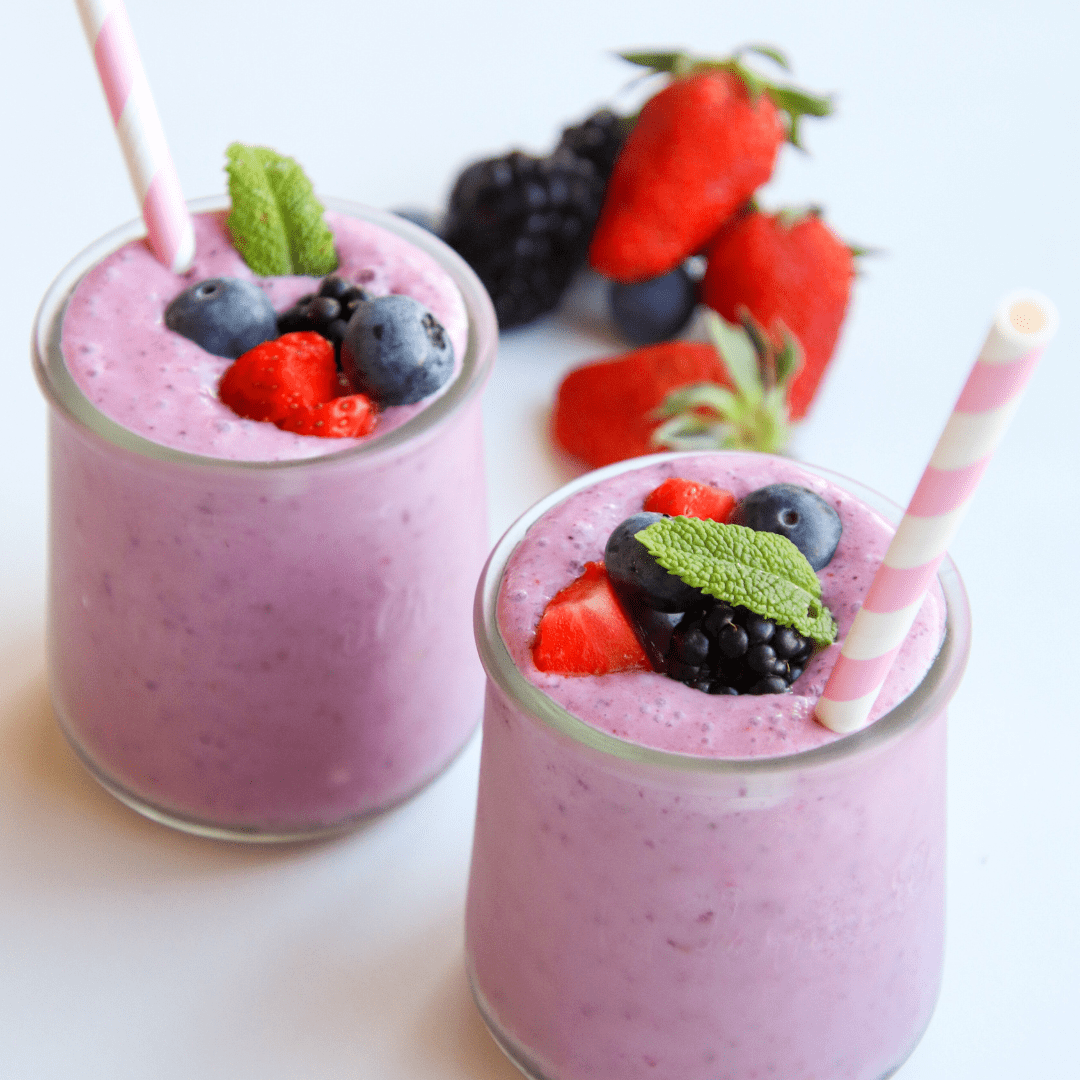
Top Smoothie Ideas for Babies & Toddlers: Nutritious & Delicious
Introducing new foods to babies and toddlers can be an exciting, albeit sometimes challenging, journey. As parents, we constantly seek ways to ensure our little ones receive all the essential nutrients for their rapid growth and development. This is where smoothies for babies toddlers emerge as a true superhero! They offer a convenient, versatile, and incredibly delicious way to pack a powerful nutritional punch into a single serving. From boosting immunity to aiding healthy weight gain, smoothies can be a game-changer for picky eaters and adventurous palates alike.Why Smoothies are a Game-Changer for Little Ones
Smoothies are far more than just a tasty treat; they are a strategic tool in a parent's arsenal for healthy feeding. Here’s why they stand out:- Nutrient Density: Smoothies allow you to combine multiple nutrient-rich ingredients – fruits, vegetables, healthy fats, and proteins – into one easy-to-consume meal or snack. This ensures your child gets a broad spectrum of vitamins, minerals, and fiber in every sip.
- Picky Eater Solution: Do you have a child who shies away from vegetables? Smoothies are excellent for "hiding" nutrient-dense ingredients like spinach or kale, masking their flavors with sweeter fruits. Your little one gets the goodness without even knowing!
- Hydration Boost: Many ingredients, especially fruits and certain liquids, contribute to your child's daily fluid intake, which is crucial for overall health and digestion.
- Easy to Consume: For babies transitioning to solids or toddlers who are still mastering their chewing skills, the smooth, liquid consistency of a smoothie is easy to swallow and digest. This also makes them perfect for on-the-go nutrition.
- Supports Healthy Weight Gain: For children who may need extra calories for healthy growth, perhaps due to a smaller appetite or increased energy needs, smoothies can be calorie-dense without being overly filling. For more detailed guidance, consider our article on Smoothies for Babies: A Public Health Guide to Healthy Weight Gain.
Essential Ingredients for Healthy Smoothies for Babies & Toddlers
The magic of smoothies lies in their versatility. You can tailor them to your child's age, dietary needs, and flavor preferences. Here’s a breakdown of key ingredient categories:Fruits: The Natural Sweeteners & Vitamin Boosters
Fruits form the base of most delicious smoothies for babies toddlers, providing natural sweetness, fiber, and a host of vitamins. Always opt for ripe, fresh, or frozen fruits.
- Bananas: A classic base, rich in potassium, naturally sweet, and creates a creamy texture.
- Berries (Blueberries, Raspberries, Strawberries): Packed with antioxidants and vitamins. Frozen berries are great for a thicker, colder smoothie.
- Mango: Tropical flavor, excellent source of Vitamin C and A.
- Avocado: While botanically a fruit, it's celebrated for healthy fats (monounsaturated), adding incredible creaminess and calories without much flavor.
- Peaches & Pears: Sweet, soft, and easy to digest, perfect for younger babies.
Vegetables: The Hidden Nutritional Powerhouses
Don't shy away from adding veggies! When blended with sweet fruits, their flavors often become imperceptible.
- Spinach & Kale: Mild-flavored greens rich in iron, calcium, and vitamins K and A. Start with small amounts and increase gradually.
- Sweet Potato Puree: Adds natural sweetness, Vitamin A, and fiber. Steam and mash or use leftover cooked sweet potato.
- Carrot Puree: Another source of Vitamin A and subtle sweetness.
- Cauliflower (steamed): Offers a neutral flavor and adds bulk, fiber, and Vitamin C. Ensure it's thoroughly steamed and cooled.
Healthy Fats & Protein: Fuel for Growth & Development
These components are crucial for brain development, sustained energy, and satiety.
- Full-Fat Greek Yogurt: Excellent source of protein, calcium, and probiotics for gut health. Opt for plain, unsweetened varieties.
- Nut Butters (Peanut, Almond, Cashew): Provide healthy fats and protein. Introduce with caution, monitoring for allergies. Always use smooth, unsweetened versions and dilute well to avoid choking hazards.
- Seeds (Chia, Flax, Hemp): Tiny powerhouses of Omega-3 fatty acids, fiber, and protein. Blend them thoroughly to ensure smooth consistency and maximum absorption.
- Avocado: (mentioned under fruits, but worth highlighting again for its fat content) Superb for adding healthy fats.
- Silken Tofu: A neutral-tasting source of plant-based protein.
Liquids: The Base of Your Blend
The choice of liquid affects consistency and nutritional profile.
- Breast Milk or Formula: Ideal for infants and can be used to thin smoothies for babies under 12 months.
- Water: The simplest option for thinning without adding extra calories or flavor.
- Unsweetened Plant Milks (Oat, Almond, Soy): After 12 months, these can be good alternatives, but always check labels for added sugars and ensure they are fortified.
- Whole Cow's Milk: For toddlers over 12 months, full-fat cow's milk provides essential fats and nutrients.
- Avoid fruit juice as a primary liquid due to its high sugar content and lack of fiber compared to whole fruit.
Delicious & Nutritious Smoothie Recipes for Babies & Toddlers
Here are a few combinations to inspire your smoothie creations. Remember to adjust quantities based on your child's age and preferences, and always introduce new ingredients one at a time to monitor for reactions.Green Power Smoothie (6+ months, adjust for milk type)
- ½ ripe banana
- ¼ cup mango chunks (fresh or frozen)
- ½ cup fresh spinach (or a small handful)
- ¼ cup breast milk, formula, water, or whole milk (for toddlers)
- Optional: 1 tbsp plain full-fat Greek yogurt
Blend until completely smooth, ensuring no spinach bits remain. This is a fantastic starter green smoothie.
Berry Brain Booster (9+ months)
- ½ cup mixed berries (fresh or frozen)
- ¼ ripe avocado
- 1 tbsp chia seeds
- ½ cup unsweetened plant milk or whole milk
- Optional: ¼ cup plain full-fat Greek yogurt
Chia seeds are an excellent source of Omega-3s for brain development. Ensure they are thoroughly blended.
Tropical Sunshine Smoothie (12+ months)
- ½ ripe banana
- ¼ cup pineapple chunks (fresh or frozen)
- ¼ cup steamed sweet potato puree
- ½ cup unsweetened coconut milk (full-fat for extra calories)
- Optional: Pinch of cinnamon
A naturally sweet and vibrant smoothie, great for a boost of Vitamin A.
Creamy Dream Smoothie (For healthy weight gain, 12+ months)
- 1 whole ripe banana
- ½ cup full-fat Greek yogurt
- 1-2 tbsp smooth, unsweetened nut butter (if no allergies and diluted well)
- ¼ ripe avocado
- ½ cup whole cow's milk or breast milk
- Optional: 1 tbsp hemp seeds
This calorie-dense option is perfect for children needing extra energy and healthy fats for growth. Always ensure nut butter is thoroughly incorporated and smooth.
Practical Tips for Making the Best Baby & Toddler Smoothies
Making the perfect smoothie for your little one goes beyond just throwing ingredients into a blender. Thoughtful preparation and presentation can make all the difference.- Start Simple, Then Experiment: When introducing smoothies, begin with 1-2 familiar fruits and a liquid. Gradually add new ingredients, like a small amount of spinach or a new seed, one at a time. This helps you identify any sensitivities and expands their palate gently.
- Consistency is Key: For babies, aim for a thin, pourable consistency similar to breast milk or formula. As they grow, you can make them thicker. Always ensure there are no chunks that could pose a choking hazard.
- Batch Prep & Storage: Make larger batches and store them in airtight containers or silicone ice cube trays. Frozen smoothie cubes can be thawed overnight in the fridge or blended again with a little liquid for a quick fresh smoothie. Consume within 24-48 hours when refrigerated.
- Choosing Your Blender: A good quality blender is essential for truly smooth results, especially when incorporating leafy greens or seeds.
- Sweetness Control: Rely on the natural sweetness of ripe fruits. Avoid adding sugar, honey (especially not before age one due to botulism risk), or artificial sweeteners. If a smoothie needs a little boost, a tiny dash of vanilla extract or cinnamon can enhance flavor.
- Serving: Offer smoothies in open cups, straw cups, or even with a spoon. For younger babies, a bottle with a fast-flow nipple can work, but encourage sipping from a cup as soon as possible to support oral motor development.
For more in-depth advice on preparation and feeding, refer to our Essential Smoothie Tips for Babies & Toddlers: Boost Nutrition.
