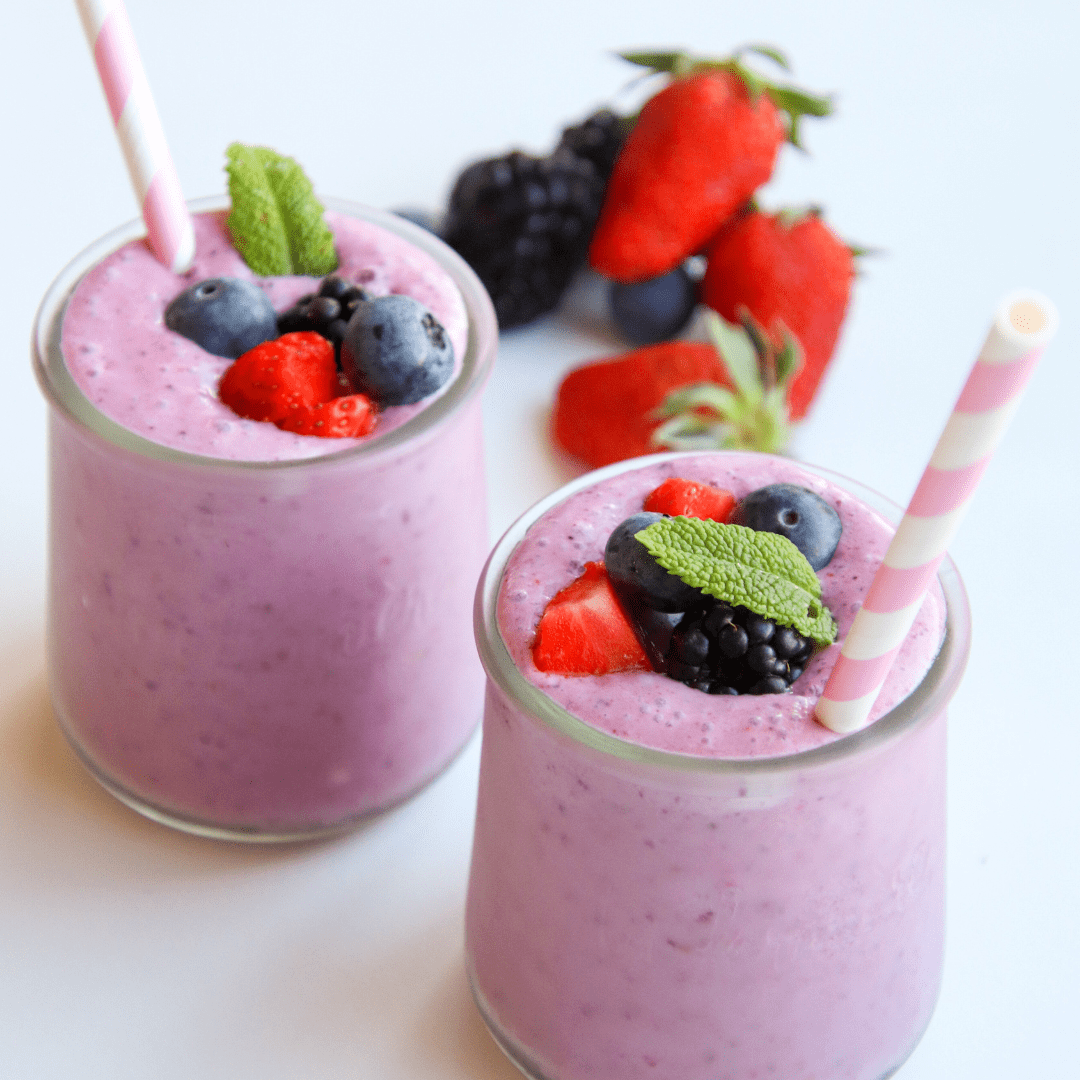
The Vital Role of Smoothies for Babies and Toddlers in Healthy Weight Gain
Ensuring healthy growth and development is a top priority for parents, and for some babies and toddlers, achieving a healthy weight can be a particular challenge. Whether due to prematurity, specific health conditions, or simply being a "picky eater," finding nutrient-dense, palatable options is crucial. This public health guide explores how smoothies for babies toddlers can serve as an invaluable tool for promoting healthy weight gain, offering a concentrated source of calories, vitamins, and minerals in an easily consumable format. From ingredient selection to safe preparation, we'll delve into making these liquid meals a beneficial part of your child's diet.
Understanding the Need for Healthy Weight Gain
While childhood obesity is a significant public health concern, undernutrition and failure to thrive also present serious health risks. Babies and toddlers who struggle to gain weight may face developmental delays, weakened immune systems, and other complications. In these instances, strategic dietary interventions become essential. Smoothies offer a unique advantage: they can pack a substantial amount of nutrition into a small volume, making them ideal for little ones with small appetites or those who find chewing difficult. They can be particularly helpful for children transitioning from purees to more varied textures, offering a bridge to a wider range of foods.
Crafting Nutrient-Dense Smoothies for Optimal Growth
The key to effective smoothies for healthy weight gain lies in their ingredients. Unlike many store-bought options that can be laden with added sugars and artificial flavors, homemade smoothies allow you to control every component, ensuring maximum nutritional value. When focusing on weight gain, prioritize ingredients that are naturally high in healthy fats, proteins, and complex carbohydrates.
Essential Building Blocks for Weight Gain Smoothies:
- Healthy Fats: Crucial for calorie density and brain development.
- Avocado: Creamy, mild, and packed with monounsaturated fats.
- Nut/Seed Butters: (e.g., almond butter, cashew butter, sunflower seed butter) Ensure they are smooth, unsweetened, and introduced carefully to check for allergies.
- Full-Fat Dairy: Whole milk yogurt (Greek yogurt adds extra protein), whole milk, or even a splash of full-fat coconut milk/cream (unsweetened).
- Ground Flaxseeds/Chia Seeds: Provide omega-3 fatty acids and fiber. Grind flaxseeds for better absorption; soak chia seeds to prevent gelling issues.
- Protein Powerhouses: Essential for muscle and tissue development.
- Full-Fat Greek Yogurt/Kefir: Excellent source of protein and probiotics.
- Cottage Cheese/Ricotta Cheese: Blends surprisingly well, adding protein and calcium.
- Silken Tofu: A neutral-flavored plant-based protein source.
- Nut/Seed Butters: Double duty as a fat and protein source.
- Breast Milk or Formula: The perfect base for infants, adding familiar nutrients.
- Complex Carbohydrates & Natural Sweeteners: For sustained energy and fiber.
- Oats: (rolled or quick-cooking) Add bulk, fiber, and calories. Soak or cook them slightly before blending for smoother texture.
- Cooked Sweet Potato/Pumpkin: Adds natural sweetness, vitamins, and fiber.
- Bananas: A classic for creaminess, natural sweetness, and potassium.
- Berries: Loaded with antioxidants, vitamins, and fiber.
- Other Fruits: Mango, pear, peaches are great options.
- Hidden Veggies: Boost nutrient intake without detection.
- Spinach/Kale: Blend well, especially with stronger fruit flavors. Start with small amounts.
- Zucchini/Cauliflower: (steamed and cooled) Add creaminess and nutrients without altering flavor much.
Always avoid added sugars, artificial sweeteners, and honey for infants under 12 months due to the risk of infant botulism.
Public Health Considerations and Safety First with Smoothies
While smoothies offer immense benefits, especially for healthy weight gain in smoothies for babies toddlers, their preparation and consumption must align with public health guidelines for young children. Safety, age-appropriateness, and nutritional balance are paramount.
Key Safety and Public Health Guidelines:
- Age-Appropriate Textures: For babies just starting solids, smoothies should be very smooth and thin, almost like a puree. As they grow and develop chewing skills, you can gradually increase thickness and introduce very small, soft pieces if appropriate for their oral motor development. Always supervise meal times.
- Allergen Introduction: If using common allergens like nuts, dairy, or soy, follow current pediatric guidelines for introducing new foods. Introduce new ingredients one at a time, waiting a few days before adding another, to monitor for any adverse reactions.
- Hygiene and Preparation: Ensure all fruits and vegetables are thoroughly washed. Use clean equipment (blender, cups, spoons). Prepare smoothies fresh whenever possible, or store immediately in an airtight container in the refrigerator for no more than 24 hours. Freezing in ice cube trays is an excellent option for longer storage.
- Portion Control and Balance: Smoothies are calorie-dense. While beneficial for weight gain, they should complement, not entirely replace, other solid foods and meals. Consult with a pediatrician or registered dietitian to determine appropriate portion sizes and how to integrate smoothies into your child's overall diet without displacing other important nutrients. The goal is a balanced diet.
- Dental Health: Even natural sugars from fruits can contribute to tooth decay if constantly bathing teeth. Encourage children to drink smoothies relatively quickly, preferably with a straw (for toddlers), and follow up with water or brushing teeth as appropriate.
- Professional Guidance: For any concerns about a child's weight gain, growth, or specific dietary needs, always consult a pediatrician or a registered dietitian. They can provide personalized advice and ensure smoothies are introduced safely and effectively as part of a comprehensive plan.
Practical Tips for Integrating Smoothies into Your Child's Diet
Making smoothies a regular and enjoyable part of your baby or toddler’s diet involves a bit of planning and creativity. Here are some practical tips to ensure success and maximize nutritional impact.
Making Smoothie Time a Success:
- Start Small and Observe: Begin with a small serving (e.g., 2-4 ounces) to see how your child responds to the new taste and texture.
- Experiment with Flavors: Don't be afraid to try different fruit and vegetable combinations. Sometimes a touch of cinnamon, vanilla extract, or even a tiny pinch of ginger can enhance the flavor profile.
- Consistency Matters: Adjust the liquid content (breast milk, formula, whole milk, or water) to achieve the desired consistency. Thicker smoothies can be eaten with a spoon, while thinner ones are suitable for bottles or sippy cups.
- Batch Prepare and Freeze: Blend a larger batch and pour it into ice cube trays. Once frozen, transfer the cubes to a freezer-safe bag. Thaw a few cubes as needed for a quick and easy serving. This is especially useful for busy mornings or when you need a nutrient boost on demand.
- Involve Your Toddler: Older toddlers can enjoy helping with simple tasks like washing fruit or adding ingredients to the blender (under strict supervision). This fosters a positive relationship with healthy food.
- Timing is Everything: Offer smoothies as a nutrient-dense snack between meals, alongside a meal to boost calorie intake, or as a quick breakfast option.
- Focus on Variety: Rotate your ingredients regularly to ensure a broad spectrum of nutrients and expose your child to diverse tastes, which can help prevent picky eating later on.
- For more specific recipe ideas and delightful combinations, explore resources like Top Smoothie Ideas for Babies & Toddlers: Nutritious & Delicious. You'll find inspiration to keep your little one excited about healthy eating.
- To refine your smoothie-making technique and ensure you're getting the most nutritional bang for your buck, don't miss our comprehensive guide on Essential Smoothie Tips for Babies & Toddlers: Boost Nutrition. It covers everything from blending hacks to optimal ingredient pairings.
Conclusion
Smoothies, when thoughtfully prepared and introduced, represent a powerful and versatile tool in promoting healthy weight gain for babies and toddlers. From a public health perspective, they offer an accessible way to deliver a concentrated dose of essential nutrients, particularly for those who may be struggling to meet their caloric needs through solid foods alone. By prioritizing nutrient-dense ingredients, adhering to safety guidelines, and seeking professional advice when needed, parents can confidently integrate smoothies for babies toddlers into their child's diet, supporting their journey towards optimal growth and long-term health. Remember, the goal is always a balanced and varied diet that nourishes every aspect of your child's development.
